817 E 66th St
Minneapolis, MN 55423
Concussion Recovery in Twin Cities: When Is It Time for Neuro-Optometric Rehabilitative Care?
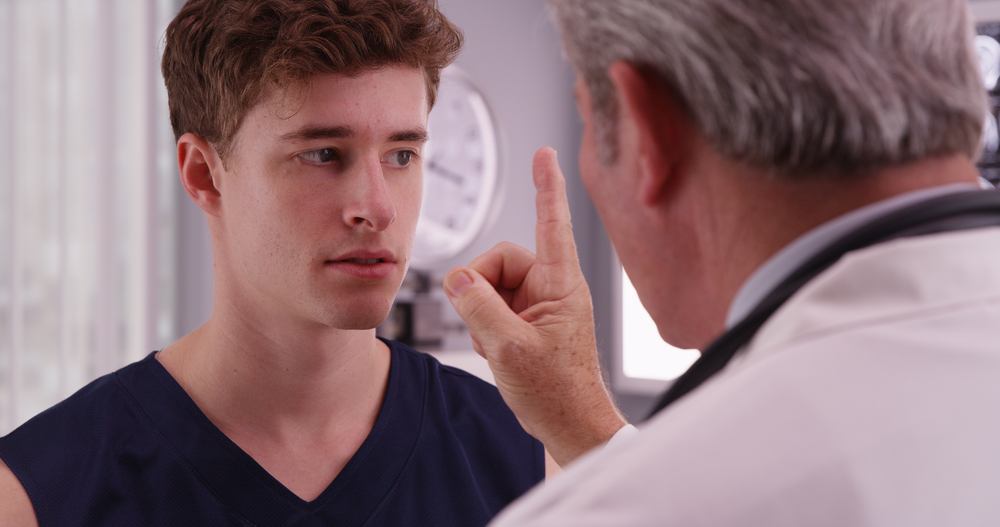
Concussion Recovery in Twin Cities: When Is It Time for Neuro-Optometric Rehabilitative Care?
A concussion can affect more than memory, balance, and headaches. It can also disrupt how the eyes and brain work together. For many people in the Twin Cities, lingering visual symptoms after a concussion can make reading, screen use, driving, work, or school feel harder than before.
At NeuVision Therapy & Rehabilitation, we provide neuro-optometric rehabilitative care for patients who may be experiencing vision-related challenges after a concussion, brain injury, or similar neurological event.
How a Concussion Can Affect Vision
Vision is a brain-based process. After a concussion, the eyes may still be healthy, but the visual system may struggle with focusing, tracking, teaming, or processing information efficiently. This can lead to symptoms that are sometimes mistaken for general fatigue or slow healing.
A standard eye exam may confirm that the eyes are healthy, but it may not fully evaluate how well both eyes work together during daily tasks. That is where a binocular vision examination and neuro-optometric rehabilitation can be helpful.
Signs It May Be Time for Specialized Vision Care
If symptoms continue after the initial recovery period, it may be time to consider neuro-optometric rehabilitative care. Common signs include:
• Headaches or eye strain with reading
• Blurry or double vision
• Dizziness or motion sensitivity
• Trouble focusing on screens
• Losing your place while reading
• Light sensitivity
• Difficulty concentrating during visual tasks
• Feeling overwhelmed in busy environments
These symptoms can affect daily life, even when they seem mild at first. If they are interfering with school, work, driving, sports, or normal routines, a more detailed vision evaluation may be needed.
What Is Neuro-Optometric Rehabilitative Care?
Neuro-optometric rehabilitative care focuses on improving how the eyes and brain communicate after a concussion or brain injury. It may include customized vision therapy and rehabilitation exercises designed to support visual comfort, efficiency, and function.
The goal is not simply to improve eyesight on an eye chart. Instead, care is focused on how your visual system performs during real activities like reading, working on a computer, walking through a store, or returning to sports.
How a Detailed Vision Evaluation Supports Concussion Recovery
A binocular vision examination evaluates how well the eyes team together, focus, move, and sustain effort at distance and near. At NeuVision Therapy & Rehabilitation, this helps determine whether vision therapy or rehabilitation may be appropriate and what the care plan may involve.
For patients who have had a new concussion, injury, or stroke, an updated medical eye exam may be recommended first to rule out eye health concerns that could affect treatment planning.
Personalized Vision Care for Patients in the Twin Cities
Some people recover from a concussion quickly, while others experience symptoms for weeks or months. Lingering vision problems can slow progress because so many everyday activities depend on visual processing. Reading, driving, using a phone, sitting in class, and working at a computer all require the eyes and brain to coordinate smoothly. Neuro-optometric rehabilitative care can be an important part of a broader concussion recovery plan, especially when visual symptoms are still present.
If you are recovering from a concussion and still dealing with vision-related symptoms, schedule a consultation at NeuVision Therapy & Rehabilitation to learn more about rehabilitative therapy. Visit our office in Richfield, Minnesota, call/text (612) 200-3286, or email info@neuvisiontherapy.com to book an appointment today.
Quick Links

Keep
In Touch
Powered by